Essential Chuseok Korean: Meaning, Etiquette, and How to Greet Like a Native
If you are currently living in or visiting South Korea during autumn, you will quickly notice the city transforming. Trains sell out months in advance, highways fill up, and grocery stores overflow with elegant fruit crates and gift sets. This energy signals the arrival of Chuseok (추석)—one of South Korea’s most cherished and grandest traditional…

Top 3 Sacred Mountains of South Korea Every Hiker Must Visit
This post is part of the Creatrip affiliate program. If you book through the link, I earn a share of the sale. South Korea is a land sculpted by mountains. With rugged peaks covering over 70% of the Korean peninsula, hiking is deeply rooted in the nation’s culture, history, and spiritual identity. While urban…
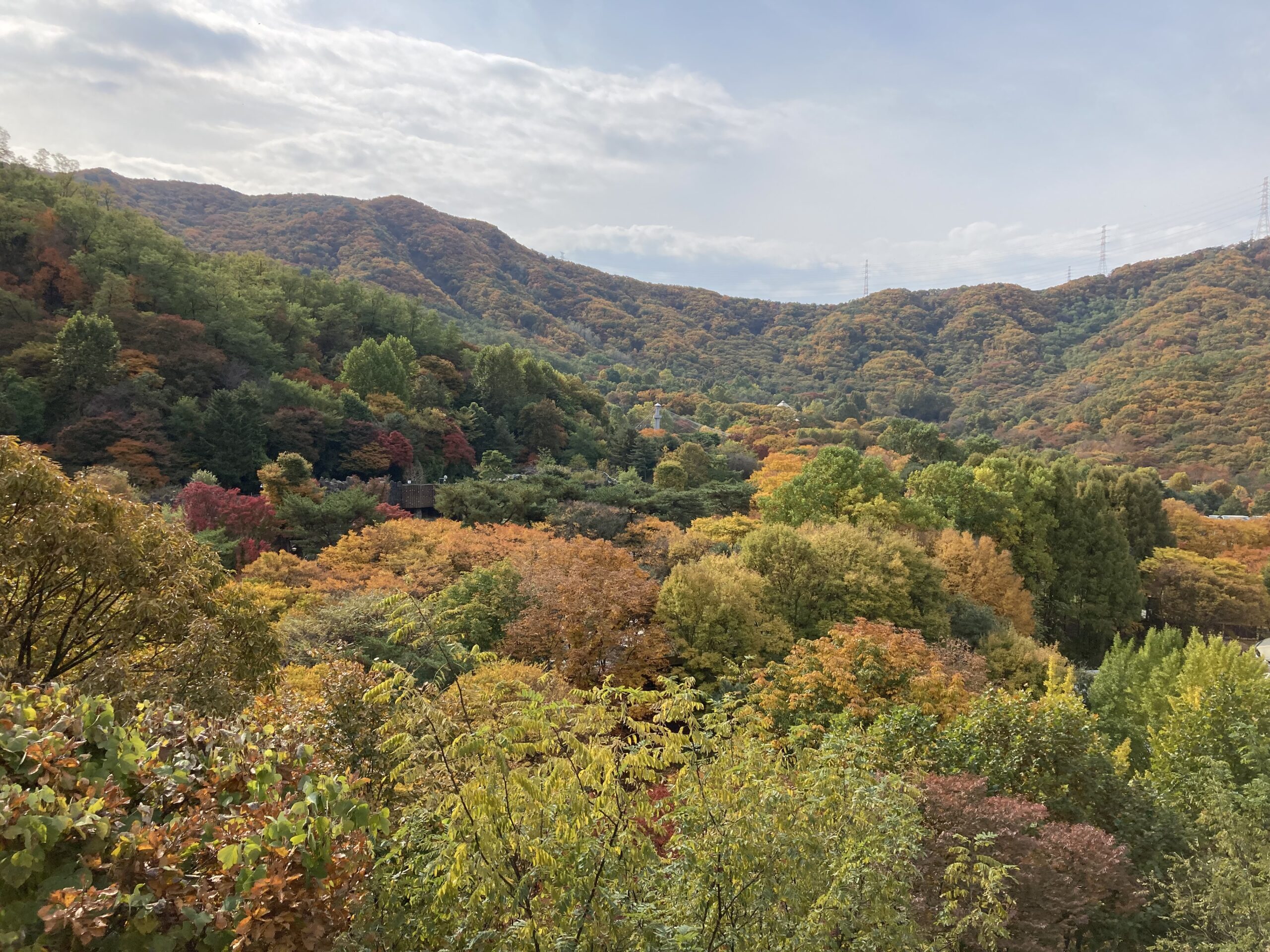
Hiking in Seoul: Bukhansan, Achasan, and the Trendy Gwanaksan Trails
This post is part of the Creatrip affiliate program. If you book through the link, I earn a share of the sale. Did you know that Seoul is one of the very few major global capitals completely surrounded by majestic mountain ranges? For foreign residents and travelers living in Seoul, going on a weekend…
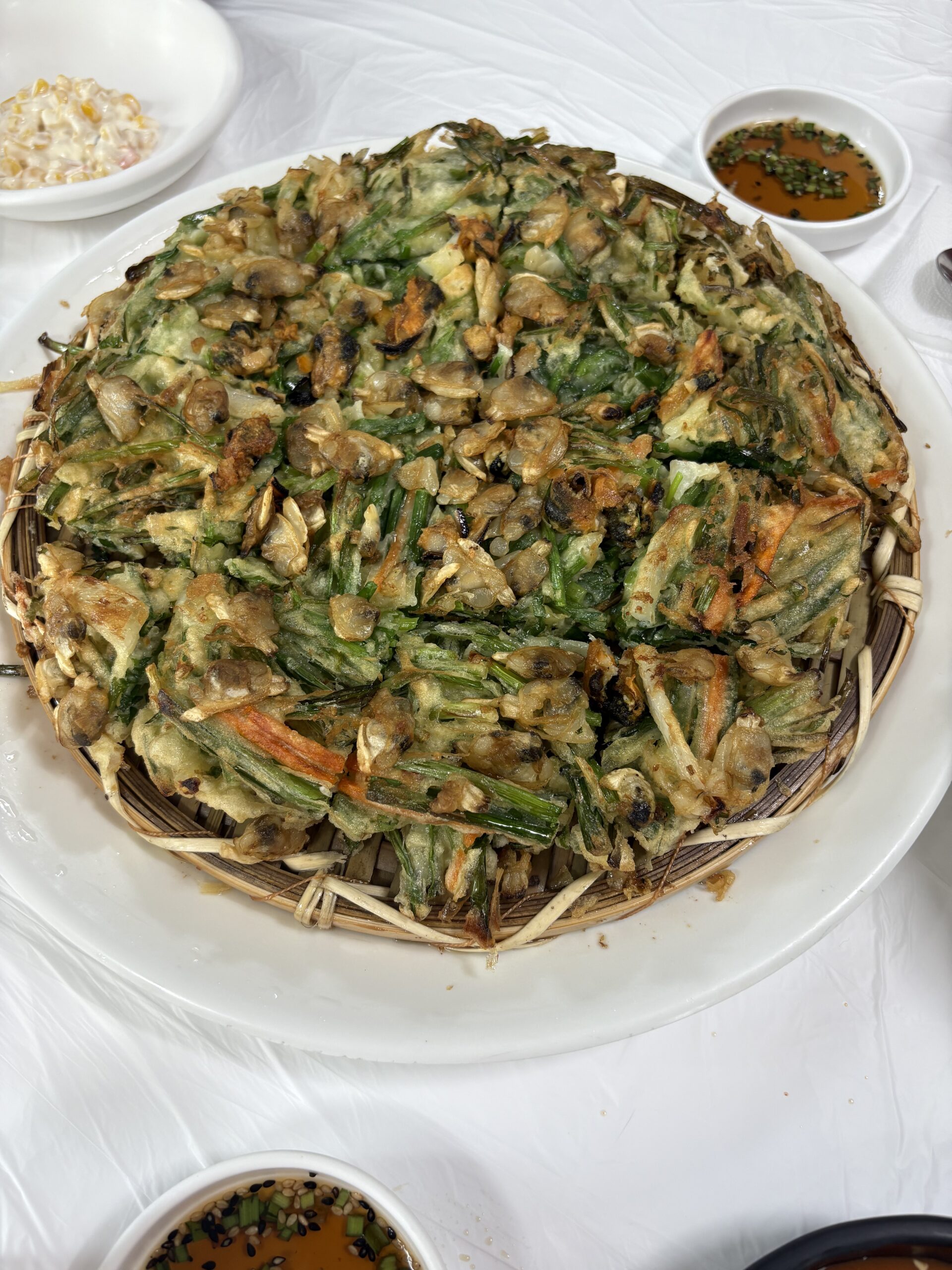
Deung-san (등산): Exploring Korea’s Unique Hiking Culture and ‘Makgeolli & Pajeon’ After-Party
This post is part of the Creatrip affiliate program. If you book through the link, I earn a share of the sale. If you visit South Korea during the crisp autumn months, you will notice a vibrant phenomenon: subway trains on weekend mornings filled with people fully geared up in colorful, high-tech hiking apparel.…
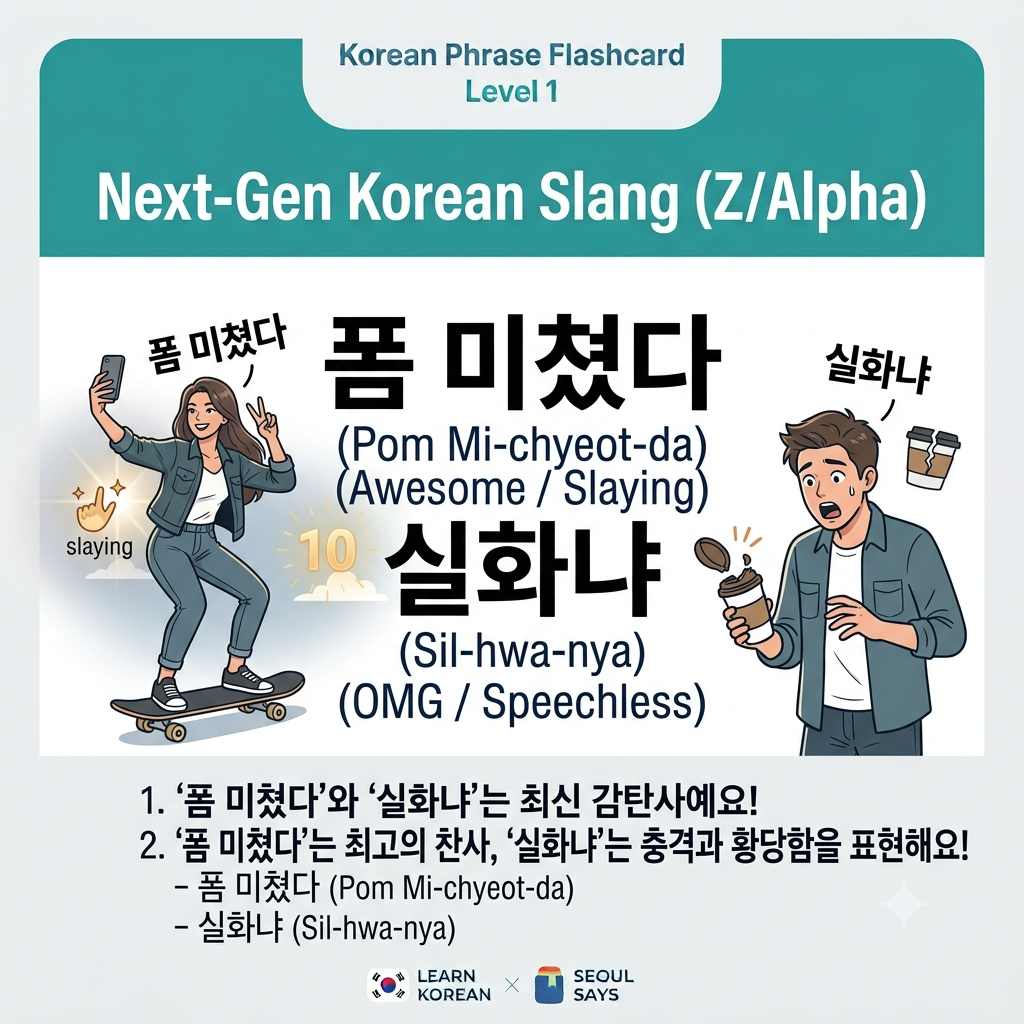
Beyond ‘Daebak’ and ‘Heol’: Master Next-Gen Korean Slang Used by Gen Z & Alpha
If you have been studying Korean slang through older textbooks or classic K-dramas, you are probably familiar with staple exclamations like Daebak (대박 – Awesome) and Heol (헐 – OMG/Yikes). While these terms are still universally understood across all age groups in Korea, the linguistic landscape among Korean Gen Z and Gen Alpha (10s and 20s) moves at lightning…
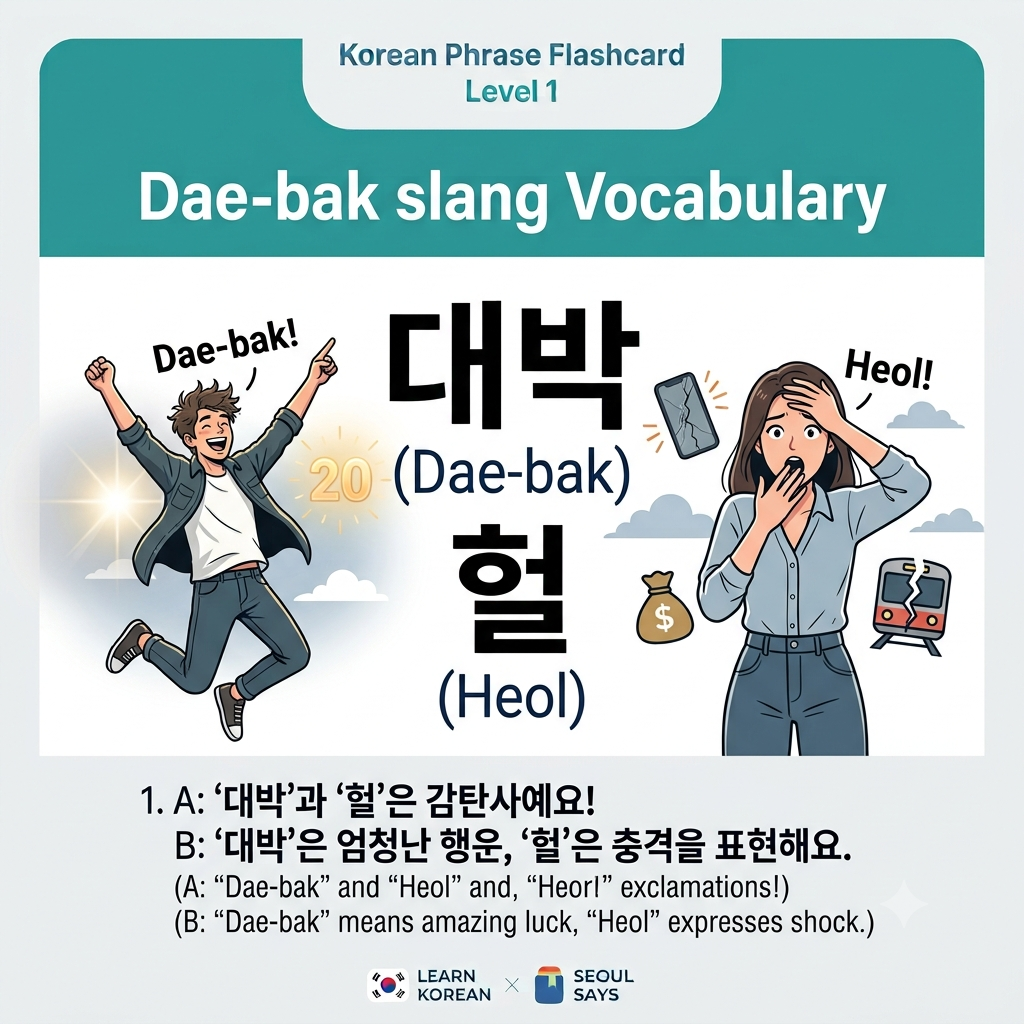
Master Modern Korean Slang: How to Use ‘Dae-bak’ and ‘Heol’ Like a Native
If you have watched any K-drama, listened to K-pop, or hung out with young Koreans in Hongdae or Seongsu-dong, you have definitely heard two iconic single-word exclamations: Dae-bak (대박) and Heol (헐). These two words form the absolute backbone of modern Korean conversational slang. While textbooks often focus on formal vocabulary and polite grammar, everyday spoken Korean…
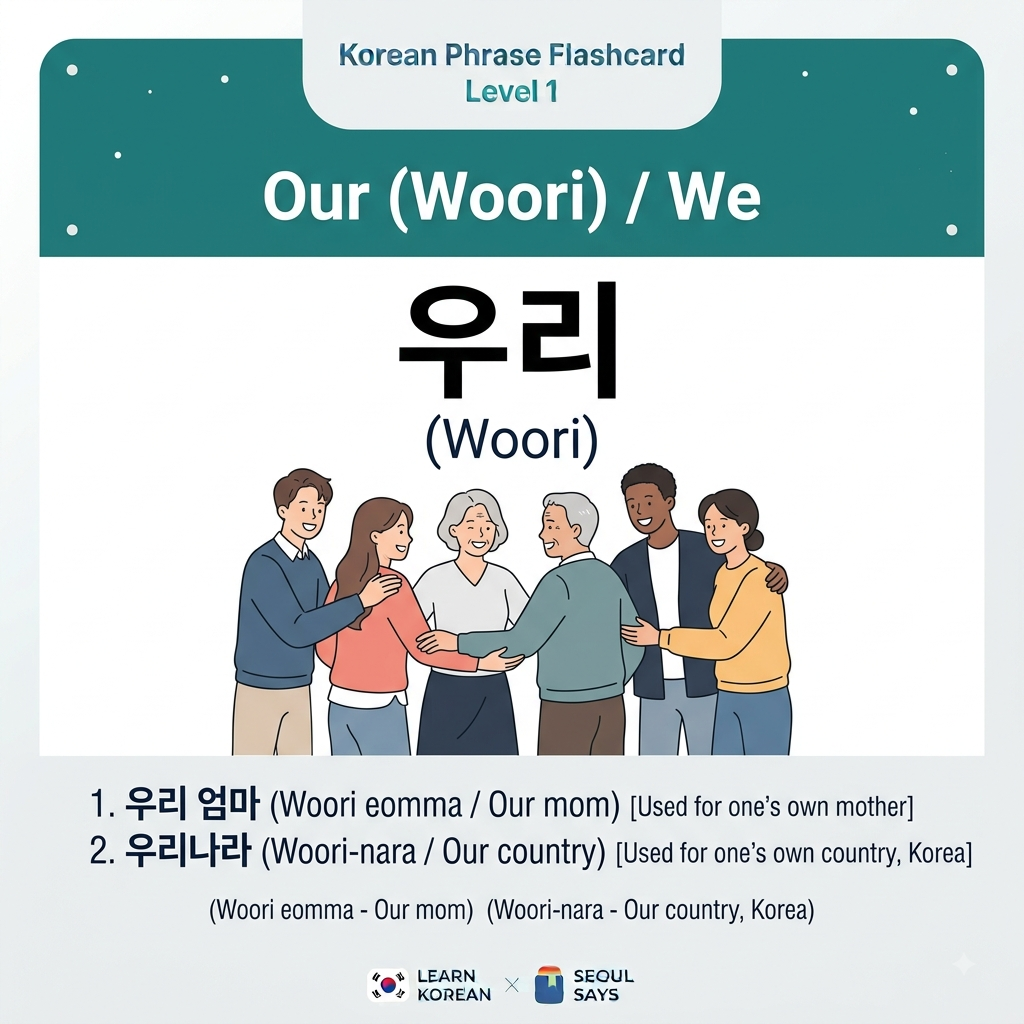
Why Koreans Say ‘Our Mom’ Instead of ‘My Mom’: The Secret Behind ‘Woori’ (우리)
If you have been studying Korean for a while or spending time with native speakers, you may have noticed an unusual linguistic habit that pops up almost constantly in daily conversation. When a Korean person introduces their mother, they won’t say “My mom” (Nae eomma / 내 엄마). Instead, they will almost always say “Our mom” (Woori eomma…
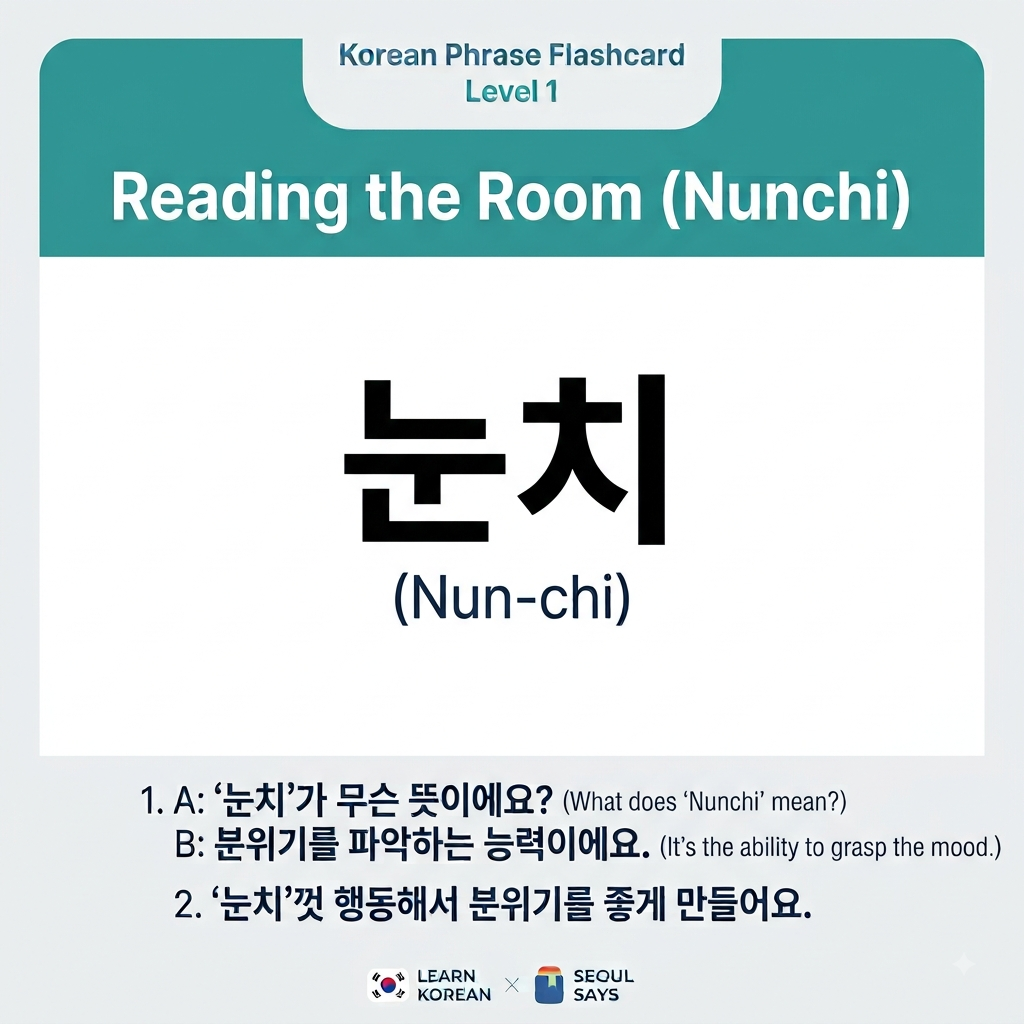
Reading the Room in Korea: What is ‘Nunchi’ and Why is it Essential?
If you have ever spent time working, studying, or hanging out with Korean friends, you may have heard them use a word that seems to pop up everywhere: Nunchi (눈치). Sometimes it is praised as a social superpower (“She has such fast Nunchi!”), and other times it is used as a lighthearted warning (“Don’t look…
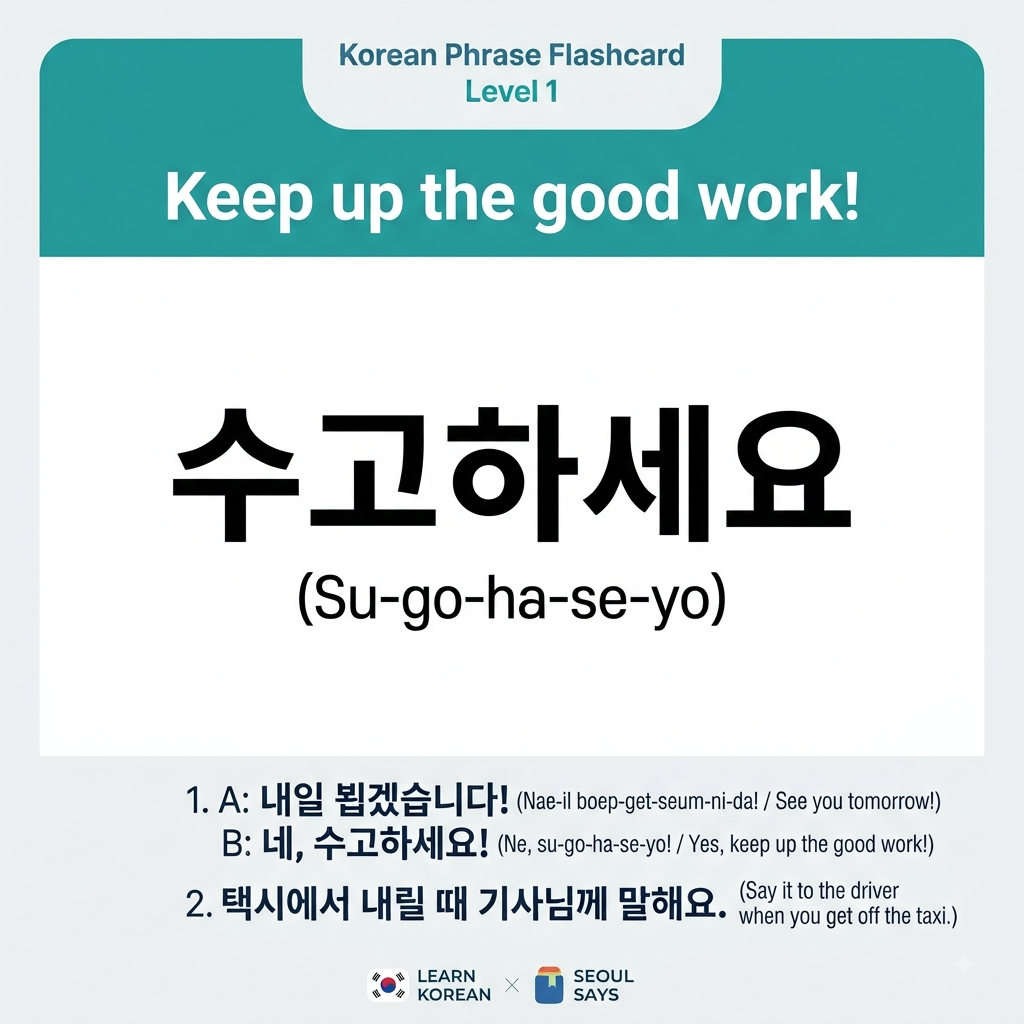
“Sugo-hamae-yo” (수고하세요): The Art of Korean Workplace & Daily Courtesy
If you’ve spent even a single day in South Korea, you have almost certainly heard the phrase “Sugo-haseyo” (수고하세요). You’ll hear a passenger softly say it to a driver while hopping off a Seoul taxi. You’ll hear a customer drop it at the counter when leaving a convenience store with a warm can of coffee.…
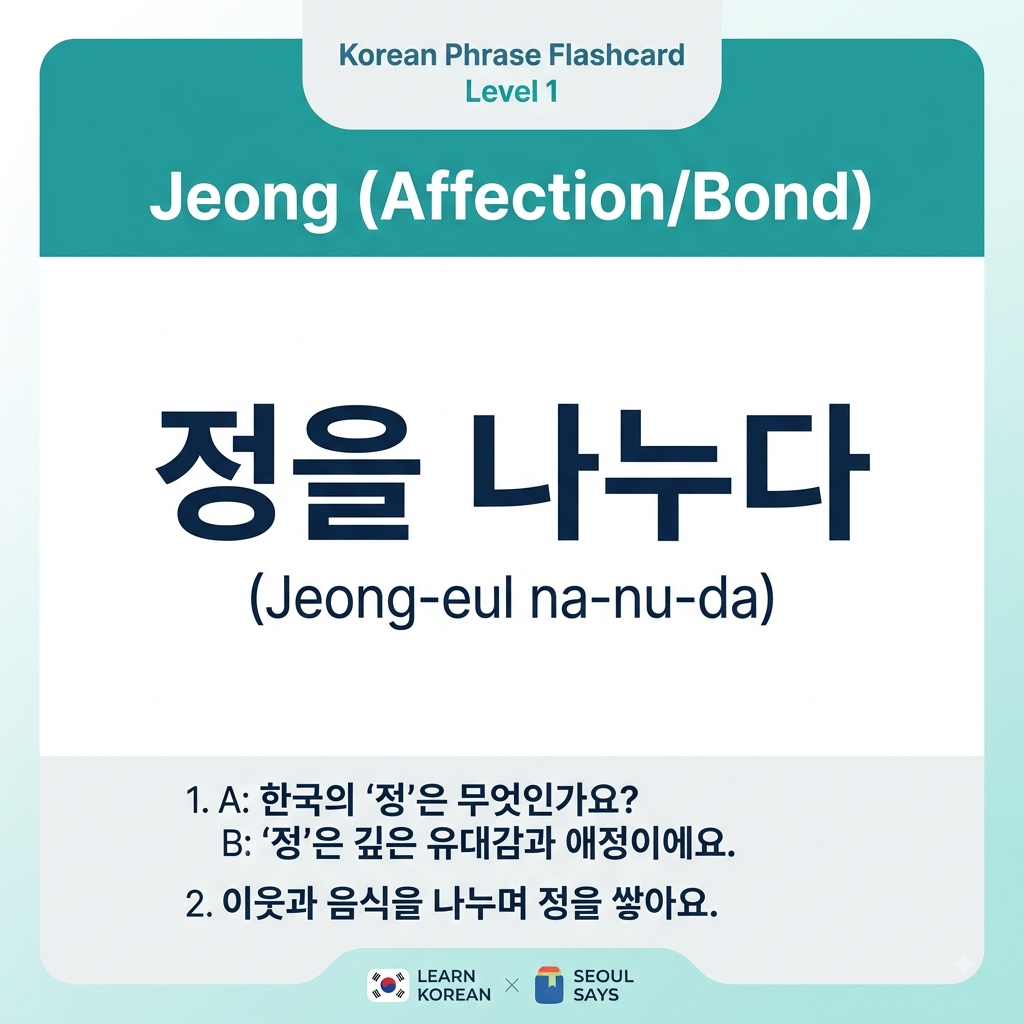
Understanding ‘Jeong’ (정): The Unspoiled Heart of Korean Relationships
If you have lived in South Korea for a while, studied the language, or watched enough K-dramas, you have likely encountered a situation that left you feeling unexpectedly warm. Perhaps the elderly owner (Ajumma) at your local restaurant gave you a free side dish or extra dumplings without asking, simply saying “Service!” Maybe a neighbor you…