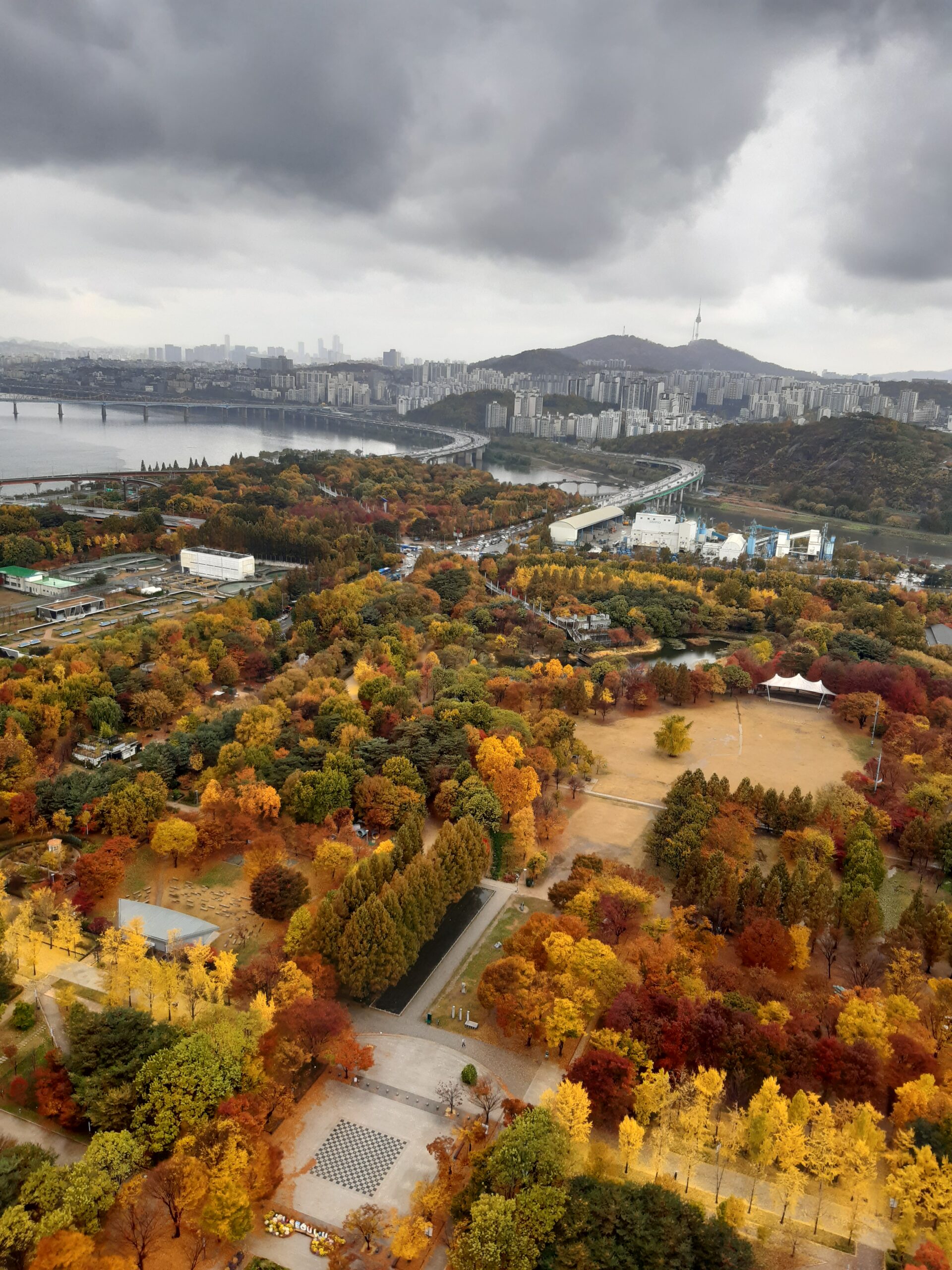
Poetic Autumn Words & Expressions Every Learner Should Know
When autumn arrives in South Korea, the atmosphere shifts in a way that feels almost poetic. The scorching summer humidity yields to crisp, cool breezes, the blue skies seem impossibly tall, and tree-lined avenues transform into glowing tunnels of gold and crimson. In Korean culture, autumn is far more than just a transition between…
Happy Hangul Day (한글날)! Celebrating the World’s Most Scientific Alphabet
If you are currently living in or visiting South Korea on October 9th, you might notice that it is a national public holiday. While many public holidays around the world celebrate military victories, historic revolutions, or seasonal changes, South Korea celebrates something truly unique: the creation of its written alphabet, Hangul (한글). Known as Hangul Day (한글날),…
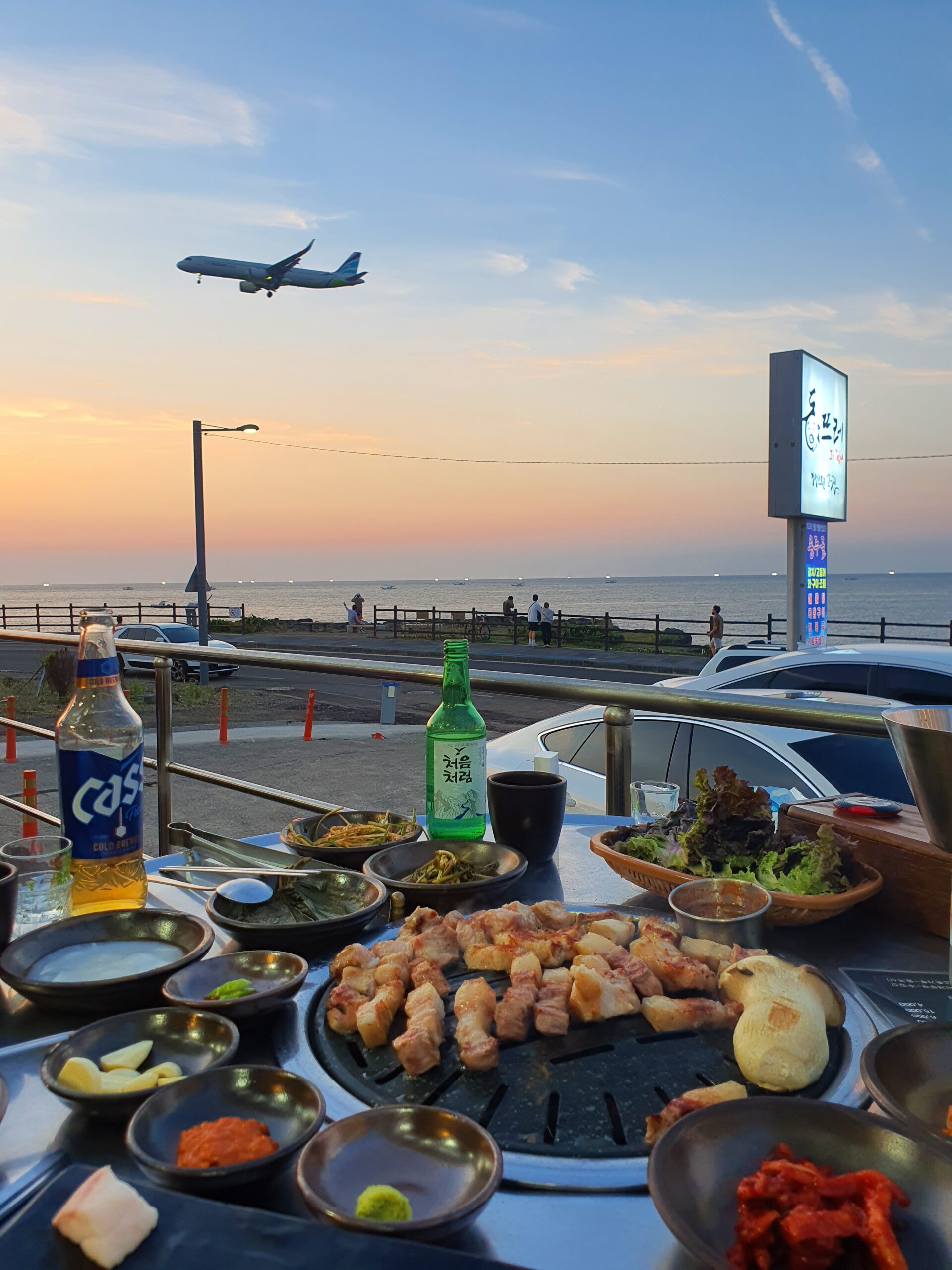
What to Order at a Korean Yajang: Best Food & Drink Pairings for Autumn Nights
There is an unspoken golden rule in Korean culinary culture: You never drink alcohol without food. In Korea, food specifically meant to be eaten alongside alcoholic beverages is called Anju (안주). Rather than being a simple side snack, Anju is the central highlight of any night out—carefully selected to complement the specific alcohol being served. When dining outdoors…
Yajang Culture: Essential Korean Drinking Phrases & Etiquette for Outdoor Dining
As October arrives in South Korea, the crisp autumn breeze replaces the suffocating summer heat, marking the onset of one of the absolute best times of the year for food lovers. During this brief, magical window before winter sets in, locals spill out of indoor venues onto sidewalks, alleys, and rooftops to enjoy a…
Essential Chuseok Korean: Meaning, Etiquette, and How to Greet Like a Native
If you are currently living in or visiting South Korea during autumn, you will quickly notice the city transforming. Trains sell out months in advance, highways fill up, and grocery stores overflow with elegant fruit crates and gift sets. This energy signals the arrival of Chuseok (추석)—one of South Korea’s most cherished and grandest traditional…
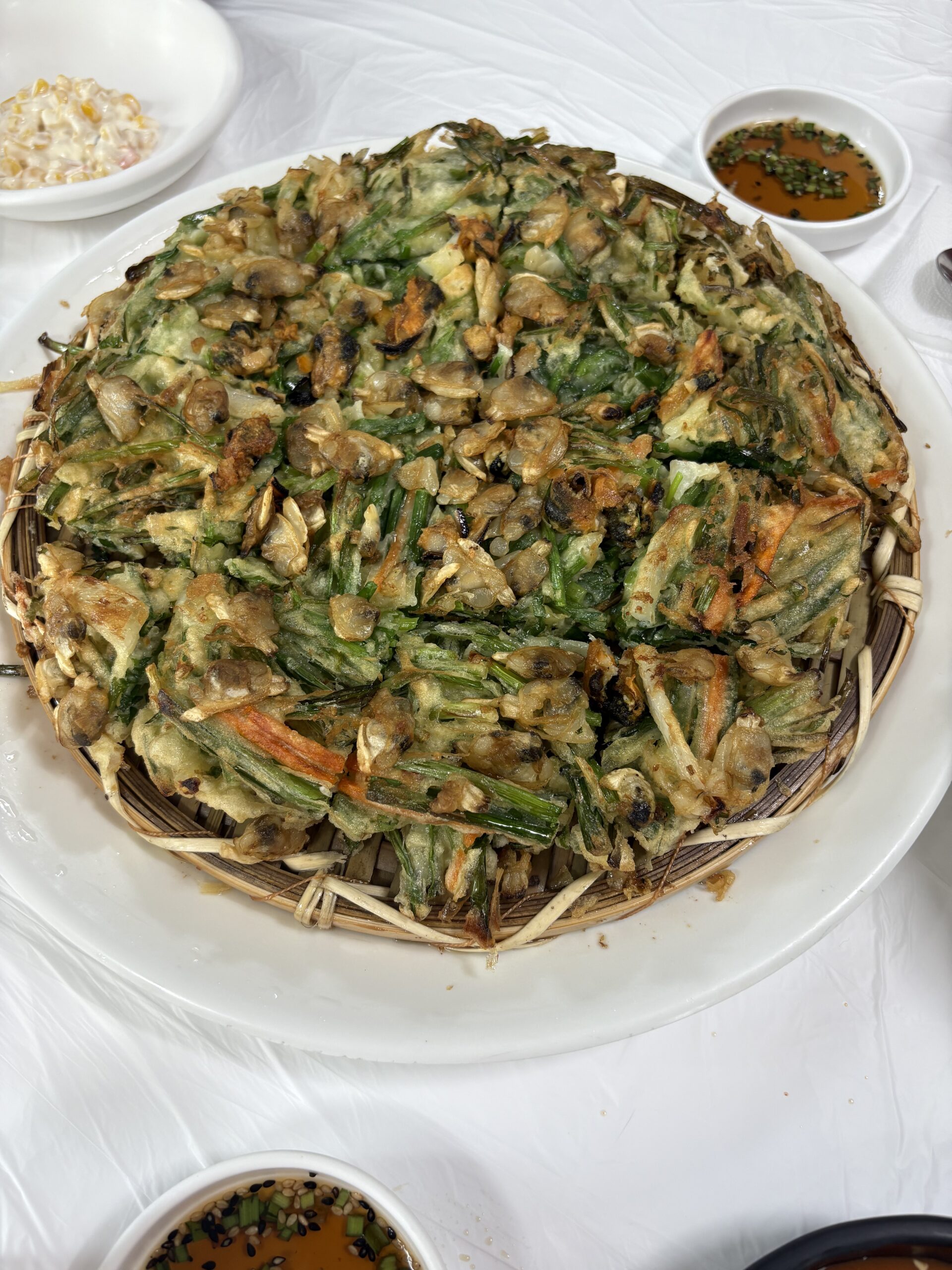
Deung-san (등산): Exploring Korea’s Unique Hiking Culture and ‘Makgeolli & Pajeon’ After-Party
If you visit South Korea during the crisp autumn months, you will notice a vibrant phenomenon: subway trains on weekend mornings filled with people fully geared up in colorful, high-tech hiking apparel. In Korea, mountain climbing is far more than just a workout—it is a national pastime known as Deung-san (등산). Surrounded by mountains over…
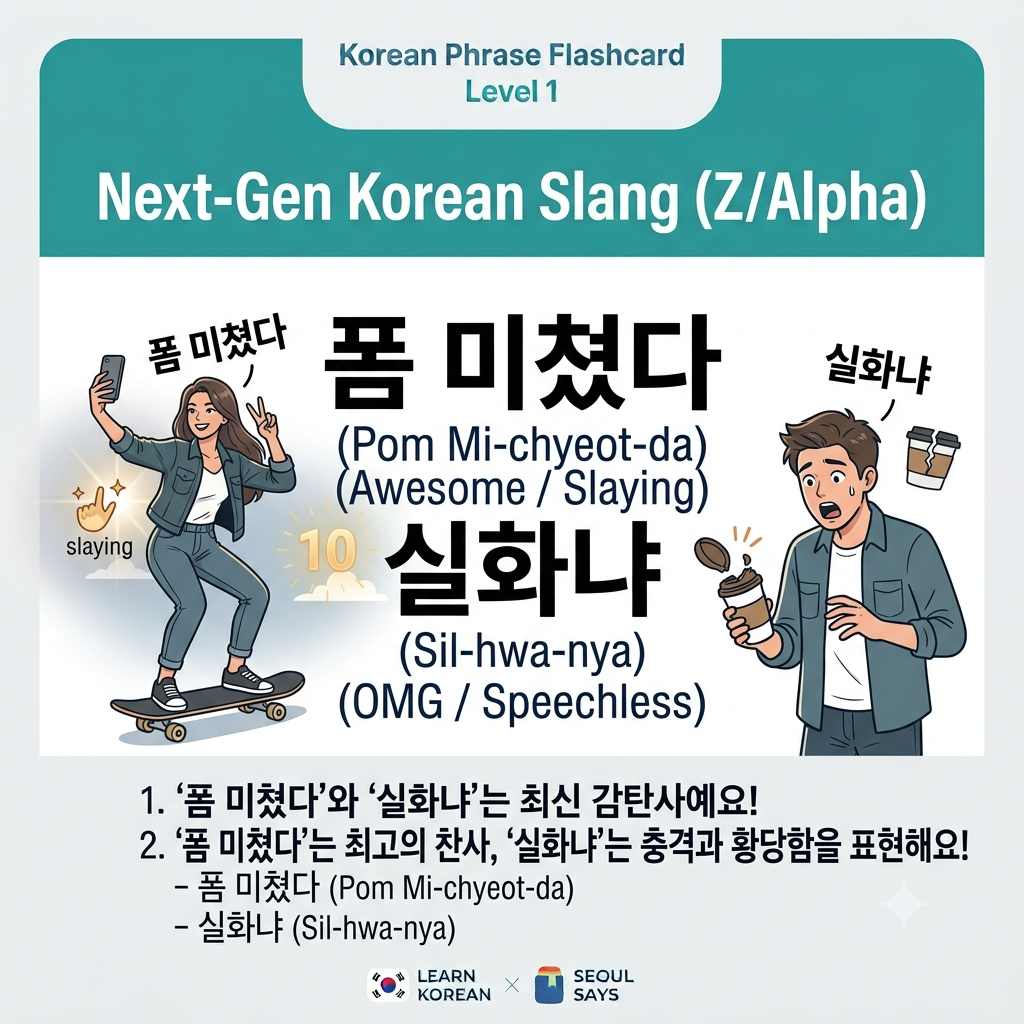
Beyond ‘Daebak’ and ‘Heol’: Master Next-Gen Korean Slang Used by Gen Z & Alpha
If you have been studying Korean slang through older textbooks or classic K-dramas, you are probably familiar with staple exclamations like Daebak (대박 – Awesome) and Heol (헐 – OMG/Yikes). While these terms are still universally understood across all age groups in Korea, the linguistic landscape among Korean Gen Z and Gen Alpha (10s and 20s) moves at lightning…
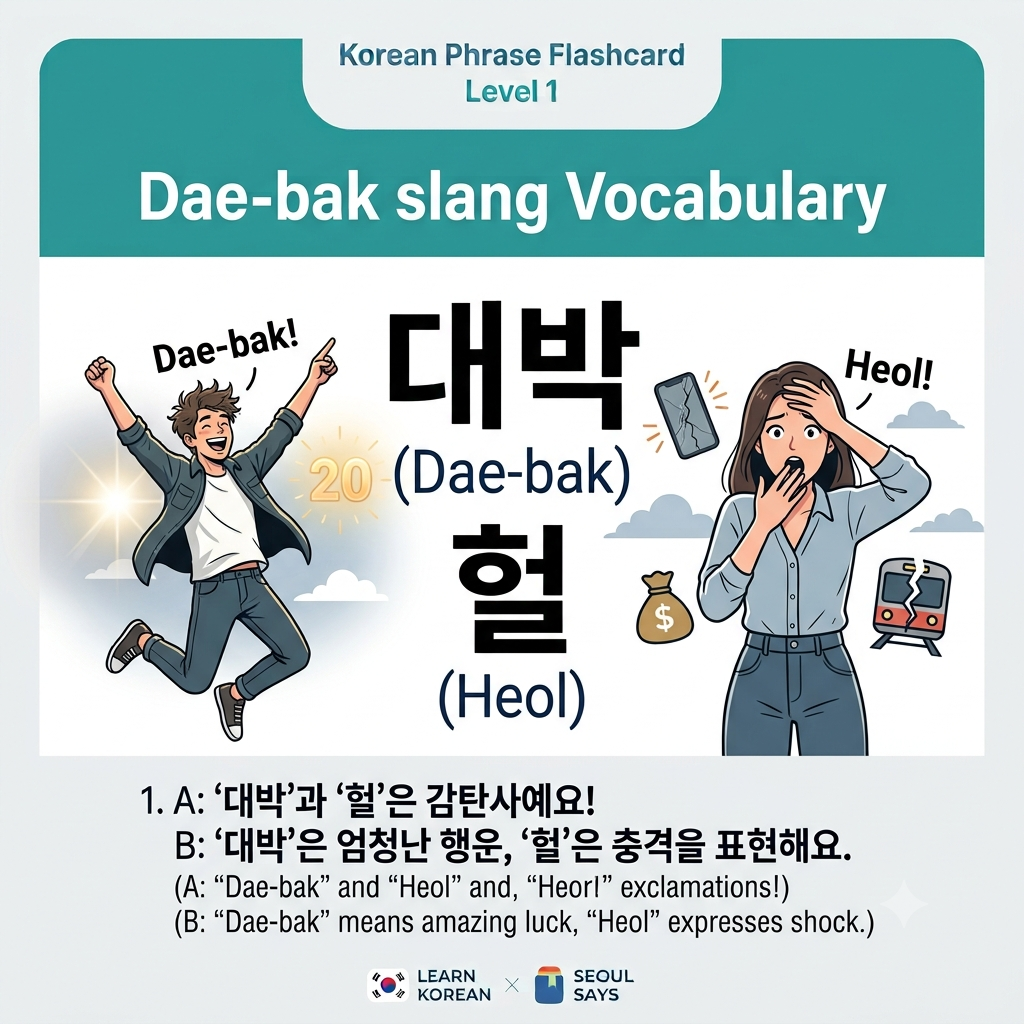
Master Modern Korean Slang: How to Use ‘Dae-bak’ and ‘Heol’ Like a Native
If you have watched any K-drama, listened to K-pop, or hung out with young Koreans in Hongdae or Seongsu-dong, you have definitely heard two iconic single-word exclamations: Dae-bak (대박) and Heol (헐). These two words form the absolute backbone of modern Korean conversational slang. While textbooks often focus on formal vocabulary and polite grammar, everyday spoken Korean…
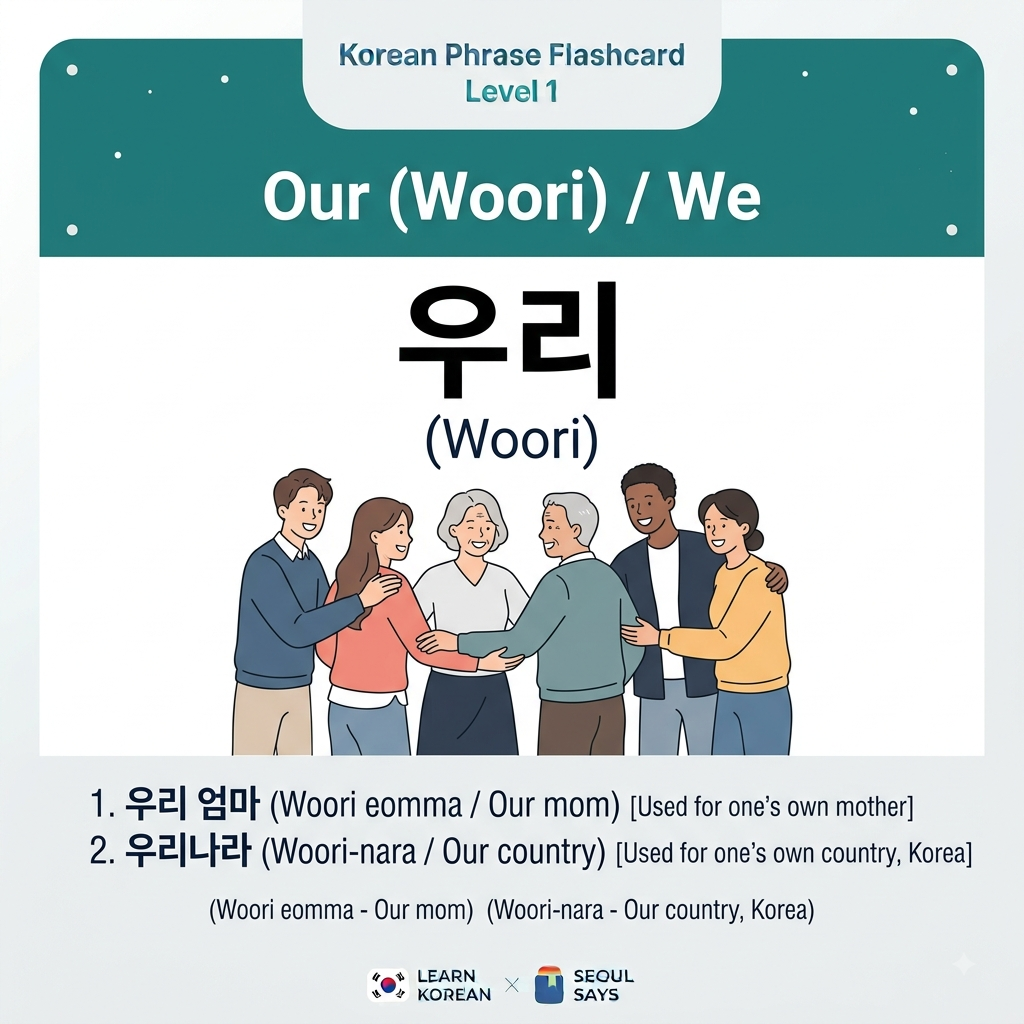
Why Koreans Say ‘Our Mom’ Instead of ‘My Mom’: The Secret Behind ‘Woori’ (우리)
If you have been studying Korean for a while or spending time with native speakers, you may have noticed an unusual linguistic habit that pops up almost constantly in daily conversation. When a Korean person introduces their mother, they won’t say “My mom” (Nae eomma / 내 엄마). Instead, they will almost always say “Our mom” (Woori eomma…
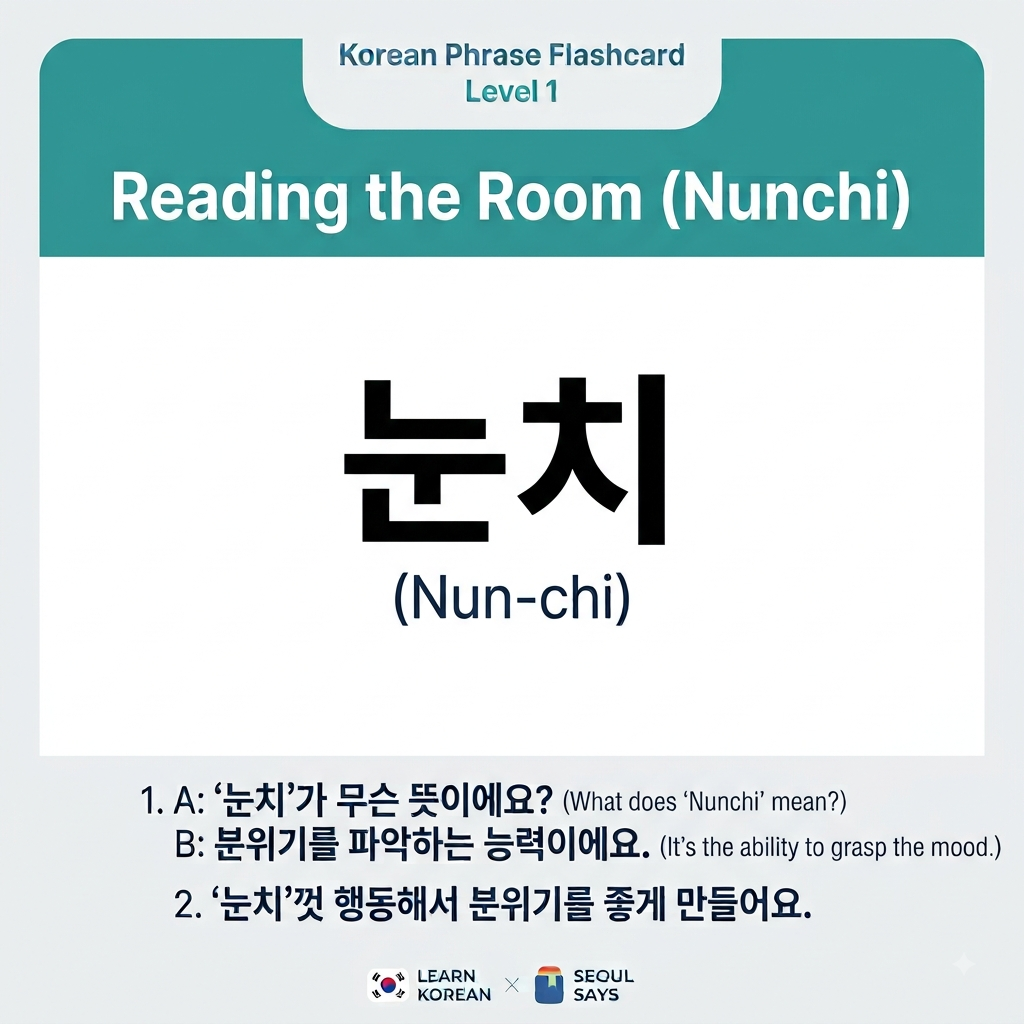
Reading the Room in Korea: What is ‘Nunchi’ and Why is it Essential?
If you have ever spent time working, studying, or hanging out with Korean friends, you may have heard them use a word that seems to pop up everywhere: Nunchi (눈치). Sometimes it is praised as a social superpower (“She has such fast Nunchi!”), and other times it is used as a lighthearted warning (“Don’t look…