If you are currently living in or visiting South Korea during autumn, you will quickly notice the city transforming. Trains sell out months in advance, highways fill up, and grocery stores overflow with elegant fruit crates and gift sets.
This energy signals the arrival of Chuseok (추석)—one of South Korea’s most cherished and grandest traditional holidays.
Often dubbed “Korean Thanksgiving,” Chuseok is a time for family reunions, expressing gratitude for the autumn harvest, honoring ancestors, and sharing hearty traditional food.
Whether you want to send a thoughtful message to a Korean colleague, greet your Korean friends, or express gratitude to an elder, mastering Chuseok vocabulary and etiquette will help you connect deeply with local culture.
Here is your ultimate guide to understanding Chuseok and greeting everyone like a native speaker!
1. What is Chuseok? (The Cultural Meaning Behind the Holiday)
Celebrated on the 15th day of the 8th lunar month under a bright harvest full moon, Chuseok literally translates to “Autumn Evening” (秋夕). It is historically rooted in Korea’s agrarian society, when farmers gathered to celebrate a successful harvest and give thanks to the land and ancestors.
Key Traditional Elements of Chuseok:
- Charye (차례 – Ancestral Memorial Rites): On the morning of Chuseok, family members gather in traditional clothing or formal attire to perform Charye. An elaborate table is set with newly harvested rice, fresh fruits, alcohol, and rice cakes to pay respects to past generations.
- Seongmyo (성묘) & Beolcho (벌초): Families visit ancestor gravesites in the countryside to clean away weeds and overgrown grass (Beolcho) and offer bow greetings (Seongmyo).
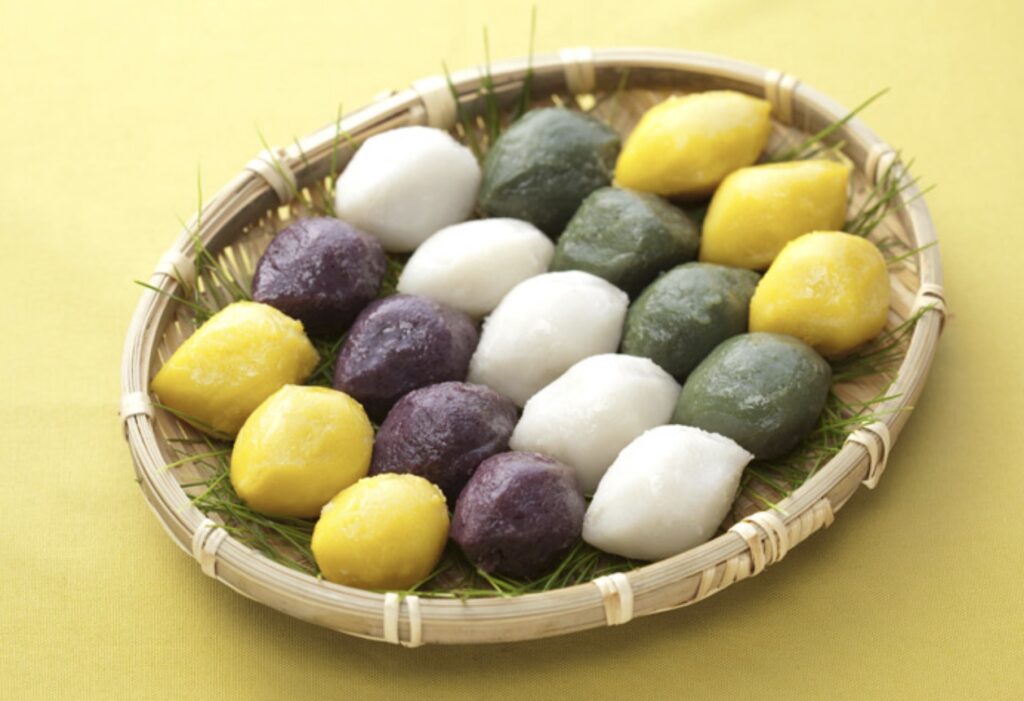
- Songpyeon (송편 – Half-Moon Rice Cakes): The quintessential food of Chuseok! These chewable, half-moon-shaped rice cakes are stuffed with sweet sesame seeds, red bean, or chestnut filling and steamed over a bed of fresh pine needles. An old Korean saying goes: “If you fold pretty Songpyeon, you will meet a great partner or have a beautiful child!”
- Hangawi (한가위): The archaic, native Korean word for Chuseok. “Han” means great/large, and “Gawi” means the middle of autumn. You will often see “Hangawi” used in festive banners, greetings, and marketing displays across Korea.
2. Essential Chuseok Greetings: How to Wish Someone Happy Chuseok
In Korea, greetings change depending on the listener’s age, social status, and relationship with you. Using the right level of politeness (Jondetmal vs. Banmal) demonstrates respect and social polish.
Option A: Formal & Professional Greetings (For Bosses, Clients, & Elders)
Use these polished, respectful expressions in workplace emails, text messages to older relatives, or interactions with superiors.
1. “풍성한 한가위 되세요.”
- Pronunciation: Pung-seong-han Han-ga-wi doe-se-yo.
- Literal Translation: “May you have a bountiful Hangawi.”
- Best Used For: Corporate emails, clients, managers, and elderly acquaintances.
- Why it works: It uses the poetic native word Hangawi alongside Pung-seong-hada (to be abundant/rich), capturing the harvest spirit perfectly.
2. “밝은 보름달처럼 마음까지 풍요로운 추석 보내시길 바랍니다.”
- Pronunciation: Bal-geun bo-reum-dal-cheo-reom ma-eum-kka-ji pung-yo-ro-un Chu-seok bo-nae-si-gil ba-ram-ni-da.
- Literal Translation: “Just like the bright full moon, I hope your heart is filled with warmth and abundance this Chuseok.”
- Best Used For: Written cards, formal messages to mentors, in-laws, or senior colleagues.
Option B: Polite Everyday Greetings (For Colleagues, Neighbors, & Acquaintances)
These expressions strike the perfect balance—friendly, polite, and universally natural for daily life in Korea.
3. “즐거운 추석 연휴 보내세요!”
- Pronunciation: Jjeul-geo-un Chu-seok yeon-hyu bo-nae-se-yo!
- Literal Translation: “Have a joyful Chuseok holiday!”
- Best Used For: Coworkers before leaving the office, building security guards, cafe baristas, or gym buddies.
4. “가족들과 함께 따뜻한 추석 보내세요.”
- Pronunciation: Ga-jok-deul-gwa ham-kke tta-tteut-han Chu-seok bo-nae-se-yo.
- Literal Translation: “Have a warm Chuseok spent together with your family.”
- Best Used For: Friendly colleagues, team members, and close acquaintances.
Option C: Casual Greetings (For Close Friends & Younger People)
Only use these Banmal (casual speech) greetings with close friends of similar age or younger acquaintances!
5. “맛있는 거 많이 먹고 즐거운 추석 보내!”
- Pronunciation: Ma-sin-neun geo ma-ni meok-go jjeul-geo-un Chu-seok bo-nae!
- Literal Translation: “Eat lots of delicious food and have a fun Chuseok!”
6. “추석 잘 쉬고 연휴 끝나고 보자!”
- Pronunciation: Chu-seok jal swi-go yeon-hyu kkeun-na-go bo-ja!
- Literal Translation: “Rest well over Chuseok and see you after the holiday break!”
3. Cultural Etiquette & Naming Nuances to Keep in Mind
1. Timing Your Greeting
It is best to send Chuseok greeting texts 1 to 2 days before the official holiday begins or on the morning of Chuseok Day itself. Avoid sending messages late at night during the holiday when families are gathering for meals or resting.
2. Gift-Giving Culture (Chuseok Seonmul – 추석 선물)
It is customary for companies to give employees gift boxes (spam sets, cooking oils, ginseng, premium Korean beef Hanwoo, or luxury fruit baskets) right before the break. If a coworker or neighbor hands you a gift, accept it with both hands and express heartfelt gratitude:
“감사합니다! 풍성한 추석 보내세요.” (Thank you! Have a bountiful Chuseok.)
3. Topics to Handle with Care
If you are invited to a Korean family home during Chuseok, keep conversations light and festive. Avoid asking sensitive questions about career promotions, marriage, or exam results—these are famous points of stress for young adults during holiday family gatherings!
Summary Cheat Sheet: Quick Reference Table
| Target Audience | Korean Expression | English Meaning | Formality Level |
| Boss / Client / Elder | 풍성한 한가위 되세요. | Have a bountiful and rich Hangawi. | High Formal |
| Coworker / Acquaintance | 즐거운 추석 연휴 보내세요! | Have a wonderful Chuseok holiday! | Polite Everyday |
| Close Friend | 맛있는 거 많이 먹고 추석 잘 보내! | Eat lots of good food & enjoy Chuseok! | Casual (Banmal) |
Final Thoughts: Share the Warmth
Chuseok is ultimately about gratitude, reflection, and warmth. Taking a moment to send a thoughtful greeting in Korean will show your respect for local culture and surely bring a bright smile to your friends and colleagues!
답글 남기기