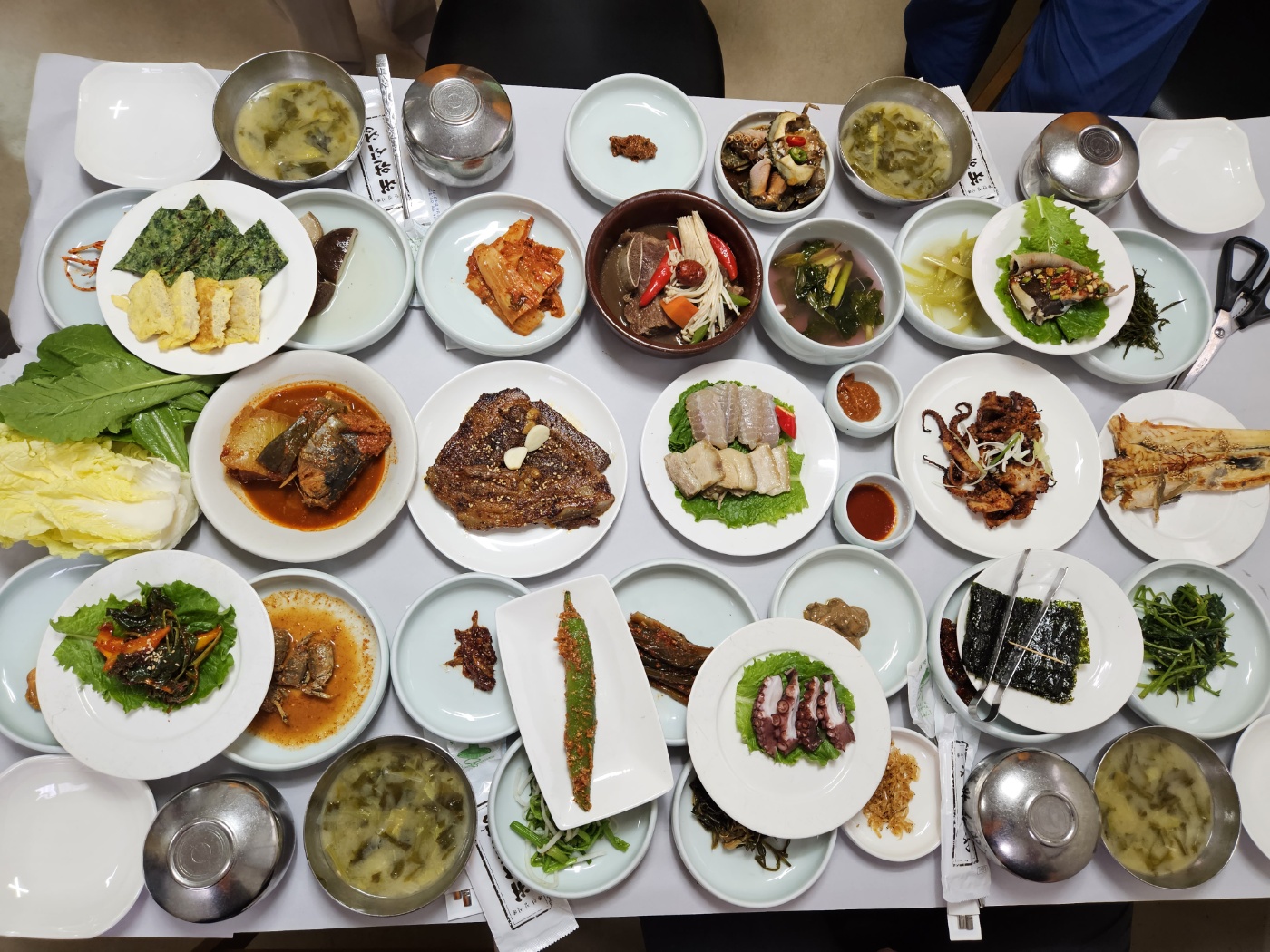
When you learn basic Korean from a textbook, the very first phrase you memorize is almost always “안녕하세요” (Annyeonghaseyo) for “Hello.” You are also taught the physical etiquette of bowing—lowering your head and waist as a sign of respect. While bowing and saying a formal hello is a core part of Korean manners, there is another, much more common greeting that you will hear daily on the streets of Seoul.
Instead of asking “How are you?”, native Koreans will look you in the eye and ask with deep sincerity: “밥 먹었어?” (Bap meogeosseo?) — Did you eat rice?
To a foreigner, this might sound like a literal invitation to lunch or a nosy question about your daily schedule. However, in South Korea, asking about someone’s meal status is one of the ultimate expressions of affection, care, and friendship.
In this ultimate guide, we will dive into the history and emotional depth of Korea’s food-centric greetings, and break down exactly how to use these phrases depending on whether you are talking to a close friend, a coworker, or an elder.
The Cultural Story: From Post-War Survival to Modern “Jeong” (정)
To understand why “rice” (밥 – Bap) became synonymous with “hello,” we have to take a look back at South Korea’s modern history.
Just a few decades ago, during and immediately after the Korean War in the mid-20th century, South Korea was a nation deeply struggling with poverty and severe food shortages. During those difficult times, starvation was a real and tragic threat. Getting access to a proper, warm bowl of rice was considered a daily luxury.
Because starvation was so common, the most genuine, loving, and crucial thing you could ask a neighbor or loved one when you ran into them was whether they had managed to survive and find food. Asking “Did you have a meal?” was literally equivalent to asking, “Are you healthy and surviving well?”
Historical Context Breakdown:
[Hardships & Food Shortages] ──► "Did you eat?" = "Are you okay/surviving?"
                                           │
[Modern Prosperity]           ──► "Did you eat?" = Deep affection, care, and social warmth
Today, South Korea is a wealthy, modern powerhouse with an abundance of incredible food, but this linguistic habit has remained deeply rooted in the culture. It represents Jeong (정)—a uniquely Korean emotional bond of affection, warmth, and attachment. When someone asks if you’ve eaten, they are sub-consciously telling you, “I care about your well-being, and I want to make sure you are taken care of.”
Similarly, when Koreans part ways, they often shout, “밥 한번 먹자!” (Bap hanbeon meokja!), which translates to “Let’s grab a meal together sometime!” In most cases, this isn’t a solid, scheduled plan. It is simply a warm, affectionate way of saying, “I like you, I want to stay connected, and I wish you well until we meet again.”
How to Use Food Greetings Based on the Social Situation
Because Korea has a strict honorific system, you must adjust your tone and vocabulary depending on who you are talking to. Here is the ultimate practical guide to using these food greetings correctly in real life.
1. Casual Settings: Chatting with Close Friends (반말 – Banmal)
When you are talking to friends who are the exact same age as you, younger siblings, or people you are incredibly close with, you use casual language.
- The Greeting:밥 먹었어? (Bap meogeosseo?)
- Translation: Did you eat?
- Alternative Trendy Version:밥은? (Bapeun?)
- Translation: What about rice? (Very short, casual, and caring).
- How to Reply:
- If you ate: 응, 먹었어. (Eung, meogeosseo. / Yes, I ate.)
- If you didn’t: 아직 안 먹었어. (Ajik an meogeosseo. / Not yet.)
2. Formal Settings: Addressing Coworkers, Managers, Teachers, and Elders (존댓말 – Jondetmal)
When speaking to your boss at a company in Seoul, a professor at university, or someone significantly older than you, you must use polite honorifics to show proper respect.
- The Standard Polite Greeting:식사하셨어요? (Siksa-hasyeosseoyo?)
- Translation: Did you have a meal?
- Context: This is the most versatile, safe, and polite phrase. “식사” (Siksa) is a more formal, elegant word for a meal than “밥” (Bap).
- The Ultra-Respectful Version:진지 잡수셨습니까? (Jinji japsusyeotseumnikka?)
- Translation: Have you partaken of your honorable meal?
- Context: This uses highly elevated vocabulary (Jinji instead of Bap). You will rarely need to use this unless you are speaking to grandparents, elderly relatives, or someone of very high status.
Quick Reference: Situation & Honorific Guide
To make sure you never make a social faux pas, use this handy cheat sheet for your daily interactions:
| Social Relationship | The Correct Phrase | Honorific Level | Ideal Environment |
| Best Friends / Classmates | 밥 먹었어? (Bap meogeosseo?) | Casual (반말) | Trendy cafes, casual hangouts, text messages |
| Coworkers / Peers at Work | 식사하셨어요? (Siksa-hasyeosseoyo?) | Polite (존댓말) | Office hallways, morning office arrivals |
| Boss / Teacher / Older Relatives | 식사하셨습니까? (Siksa-hasyeotseumnikka?) | Formal Polite (높임말) | Business meetings, formal school offices |
The Master Class on Korean Table Manners: Before and After a Meal
If a Korean friend or colleague actually invites you to eat with them, showing good table manners will instantly impress them. Korean culture has two beautiful phrases designed to show gratitude to the host or the person who provided the food.
Before the Meal: Expressing Anticipation
Before you pick up your chopsticks, look at your dining companions or the host and say:
- 잘 먹겠습니다! (Jal meokgetseumnida!)
- Literal Meaning: I will eat well.
- Cultural Meaning: Thank you for this food. I appreciate the effort put into this meal, and I am going to enjoy it thoroughly!
After the Meal: Showing Gratitude
Once you are finished eating, lay your utensils down neatly and say:
- 잘 먹었습니다! (Jal meogeotseumnida!)
- Literal Meaning: I have eaten well.
- Cultural Meaning: Thank you for the wonderful meal. I am full and deeply satisfied. (This is a must-say expression if someone else paid for your meal!)
Summary: A Culture Wrapped in Warmth
To wrap it up, the phrase “Did you eat?” is much more than a simple check on your digestive habits. It is a historical testament to resilience, a verbal hug, and a cornerstone of genuine Korean social connection. It bridges the gap between old hardships and modern day hospitality.
The next time a local asks you if you’ve eaten, don’t feel pressured to give a full culinary breakdown of your lunch. Just realize that they are showing you a little bit of their heart, wrapping you in Korean Jeong, and treating you like a true friend.
Join the Conversation!
What is your absolute favorite Korean dish to eat when someone asks you “식사하셨어요?”? Have you ever had a chance to say “잘 먹겠습니다” at an authentic restaurant in South Korea? Let us know your stories in the comments section below!
다음에 봐요! (See you next time!)
답글 남기기